


 2025-01-18
A Printed Circuit Board (PCB) is a fundamental component in the world of electronics. It serves as a platform for mounting and interconnecting electronic components, such as integrated circuits, resistors, capacitors, and sensors, to create electronic circuits. PCBs are the backbone of modern electronic devices, including computers, smartphones, televisions, and many other appliances.
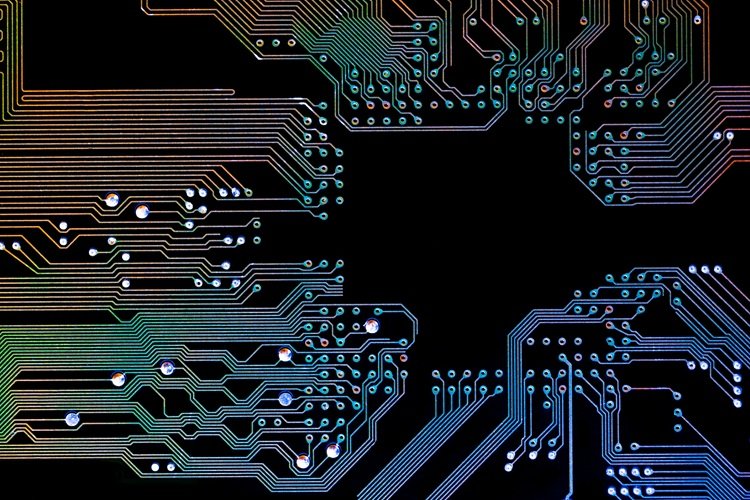
Structure of a Printed Circuit Board (PCB)
1. Base Material: The substrate or base material of the PCB is typically made from a type of fiberglass or ceramic. It provides the structural foundation for the board.
2. Copper Clad: A thin layer of copper is applied to one or both sides of the base material. This copper layer is etched to create the pathways for electrical connections.
3. Conductive Traces: The etched copper pathways are called conductive traces or circuits. They are the routes through which electrical signals travel between components.
4. Insulating Layers: To prevent short circuits between conductive traces, insulating layers are added between them. These layers can be made from various materials, including fiberglass, ceramic, or photoimageable dry film.
5. Solder Mask: A protective coating called the solder mask is applied to the top and bottom surfaces of the board to prevent solder from bridging between adjacent conductive traces.
6. Silk Screen: A silk screen or legend is applied to the top surface of the board to provide a visual reference for component identification and assembly instructions.
Types of Printed Circuit Board (PCB)
1. Single-Sided PCB: These have conductive traces on one side of the board.
2. Double-Sided PCB: These have conductive traces on both sides of the board.
3. Multi-Layer PCB: These have multiple layers of conductive traces and insulating layers, allowing for more complex circuit designs.
4. Flexible PCB: These are made from flexible materials and can be bent or folded without cracking.
5. Rigid-Flex PCB: These combine rigid and flexible sections to provide a combination of mechanical support and flexibility.
PCB Manufacturing Process
1. Design: Creating a digital design of the circuit using specialized software.
2. Photo Imaging: Transferring the design onto a blank board using photoimageable dry film.
3. Etching: Removing unwanted copper from the board using an etchant.
4. Drilling: Drilling holes for component mounting and through-hole connections.
5. Solder Mask Application: Applying a protective coating to prevent solder bridges.
6. Soldering: Mounting components onto the board and soldering them in place.
In conclusion
Printed circuit board is a critical component in the world of electronics, serving as the foundation for electronic circuits and enabling the creation of complex electronic devices.
At Aoshuo, we are professional to produce the custom PCB boards according to our customers’ specification and design. We can support you with prototype and mass production. Welcome to share your PCB Gerbers to get our quotation!